LeasingTrack in 22 languages: renting when you and your tenant don't share one
A Polish landlord with a Ukrainian tenant, or an expat renting in Spain: here's what LeasingTrack's 22 interface languages cover, what they don't, and how to keep a cross-language tenancy clear.

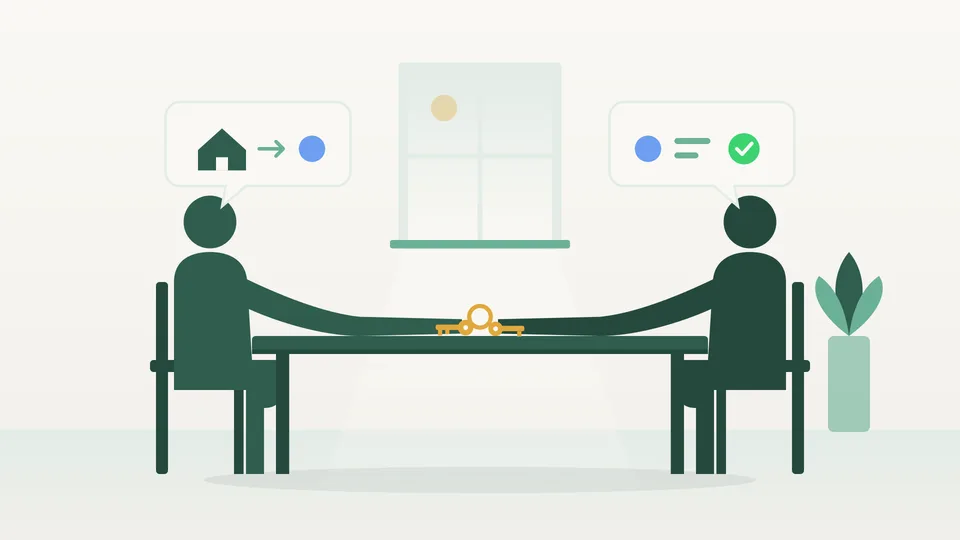
Plenty of tenancies in Europe now run between two people who don't share a first language. A Hungarian landlord rents a flat to a family from Kharkiv. A Czech owner has a Ukrainian tenant who is still learning Czech. A Swede takes a job in Munich and rents from a German landlord. A Dutch couple rents a flat in Valencia.
Most of these arrangements work fine. What goes wrong usually isn't bad faith. It's a misunderstanding: a payment date read the wrong way, a repair mentioned on the phone and then forgotten, a clause in the lease that one side never really understood.
We haven't written much about this yet, but it's one of the things LeasingTrack does best. Here's what the language range covers, where it stops, and a few habits that make a tenancy across a language barrier much easier.
Why this matters now
On 30 July 2026 the EU adopted Council Implementing Decision (EU) 2026/1912, published on 4 August 2026. It extends temporary protection for people displaced from Ukraine until 4 March 2028. The decision notes that almost 4.4 million people from Ukraine hold this status in the EU. It also adds a new condition for people arriving for the first time, who must show proof that they have met their military obligations. People who already held protection on or before 30 July 2026, and keep it in the same country, are not affected (EUAA summary).
At the same time, several host countries are cutting housing support. In Poland, changes that took effect after 5 March 2026 reduced access to some benefits, including accommodation, mainly for non-working adults outside vulnerable groups (European Commission). Czechia has also been tightening its rules. The details differ from country to country and keep changing, so check your own national authority if a specific benefit matters to you.
For landlords this means one simple thing: more Ukrainian households will be renting privately for at least another year and a half, and dealing with their landlords directly.
The 22 interface languages
The LeasingTrack interface is available in:
| English | Czech | Danish |
| German | Estonian | Spanish |
| French | Croatian | Italian |
| Latvian | Lithuanian | Hungarian |
| Dutch | Polish | Portuguese |
| Romanian | Slovak | Slovenian |
| Serbian (Latin) | Finnish | Swedish |
| Ukrainian |
That covers the screens you and your tenant actually use: the property, the lease, payments and the lease balance, maintenance reports and messages. The menus, buttons, labels and field names all come in each of these languages, so a Ukrainian tenant can see which month a payment belongs to, what's still open, and where to report a dripping tap, without guessing at Polish or Hungarian menu labels.
What is not translated
This part matters. LeasingTrack translates the interface, not your content.
- Messages stay exactly as they were written. If you write in Hungarian, your tenant receives Hungarian.
- Lease texts stay in whatever language you drafted them in.
- Documents you upload, like a signed lease, a handover report or a utility bill, are stored as they are.
Nothing is translated automatically. In a way that's a good thing: the wording of a lease or a message about money is exactly what you don't want a machine quietly rewording. But it does mean the two of you still need to agree how you'll communicate. Which brings us to the practical part.
Five habits for a tenancy across a language barrier
1. Agree on the language early
Before signing, settle two questions: which language the lease is in, and which language you'll write messages in. They don't have to be the same. A common arrangement is a lease in the local language, because that's the version that counts with authorities and courts, with an informal translation alongside it, and day-to-day messages in whatever language you both read most comfortably. Often that's English, sometimes Russian or Ukrainian, sometimes the local language.
If you use a bilingual lease, state which version prevails if they differ. Whether a lease in a foreign language is valid, or needs an official translation for registration, depends on the country. A local lawyer can tell you quickly.
2. Keep the signed lease and handover report with the property
Upload the signed lease, the handover report and the meter readings to the property's documents in LeasingTrack. When a question comes up a year later ("was the scratch on the floor already there?"), both of you can look at the same record instead of relying on memory, in two languages.
Photos from the handover help even more across a language barrier. A picture needs no translation.
3. Write short, plain messages about money and repairs
When the reader isn't reading in their first language, or is pasting your message into a translator, short sentences win. Some examples:
- Instead of "As discussed, please make sure the outstanding amount is settled at your earliest convenience", write: "Rent for October: 180,000 HUF. Please pay by 5 November."
- Instead of "The plumber might come round sometime later in the week", write: "Plumber: Thursday 30 October, 10:00–12:00."
One topic per message, with numbers and dates written out. Avoid idioms, irony and abbreviations. If something is important, ask for a short confirmation ("OK, received").
4. Ask your tenant to report repairs in the app
A phone call in a second language is where most misunderstandings start. The tenant thinks they reported the broken boiler, and the landlord heard "it's making a noise sometimes".
Ask your tenant to report maintenance issues through LeasingTrack instead. The report is dated, it's tied to the property, and the tenant finds the right place on screens labelled in a language they can read. You then reply in writing, in the language you agreed. If there's ever a dispute about when a problem was reported, there's a record.
5. Let the balance speak for itself
Payments are where language problems become money problems. In LeasingTrack the lease balance follows from the recorded payments and charges, and the tenant can follow their own payments. When both sides see the same figures, there's much less need to explain "what's still open" in a language one of you only half speaks.
For tenants
If you are the tenant: you don't need to set anything up yourself. Your landlord invites you by email, and you see only your own lease, not the landlord's other properties or tenants. From there you can follow your payments, report maintenance issues and message your landlord. If you and your landlord haven't agreed on a language for messages yet, suggest one. It's a perfectly normal thing to ask.
Getting started
Add your property and lease, upload the signed documents, and invite your tenant by email. LeasingTrack is free for up to two properties. Larger portfolios will need a subscription, and its price hasn't been published yet.
A shared language helps a tenancy, but clear records help more. With the screens in 22 languages and everything important written down and dated, you and your tenant can get along fine even when you'd struggle to chat over the fence.
Sources
- Council Implementing Decision (EU) 2026/1912 – EUR-Lex
(opens in a new tab) - EUAA: Council of the EU extends temporary protection for Ukrainians and introduces a new requirement
(opens in a new tab) - European Commission: Changes to support for people displaced from Ukraine in Poland
(opens in a new tab)